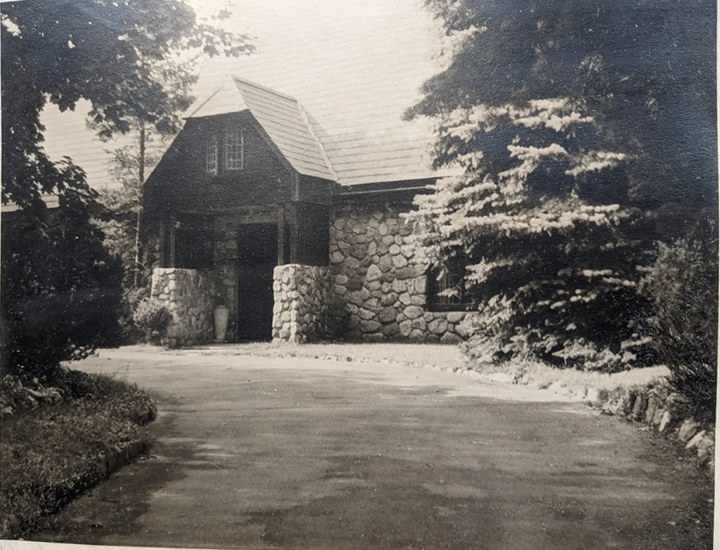
Known as “The Stone Castle”
Undiscovered Treasure in Southeastern CT.
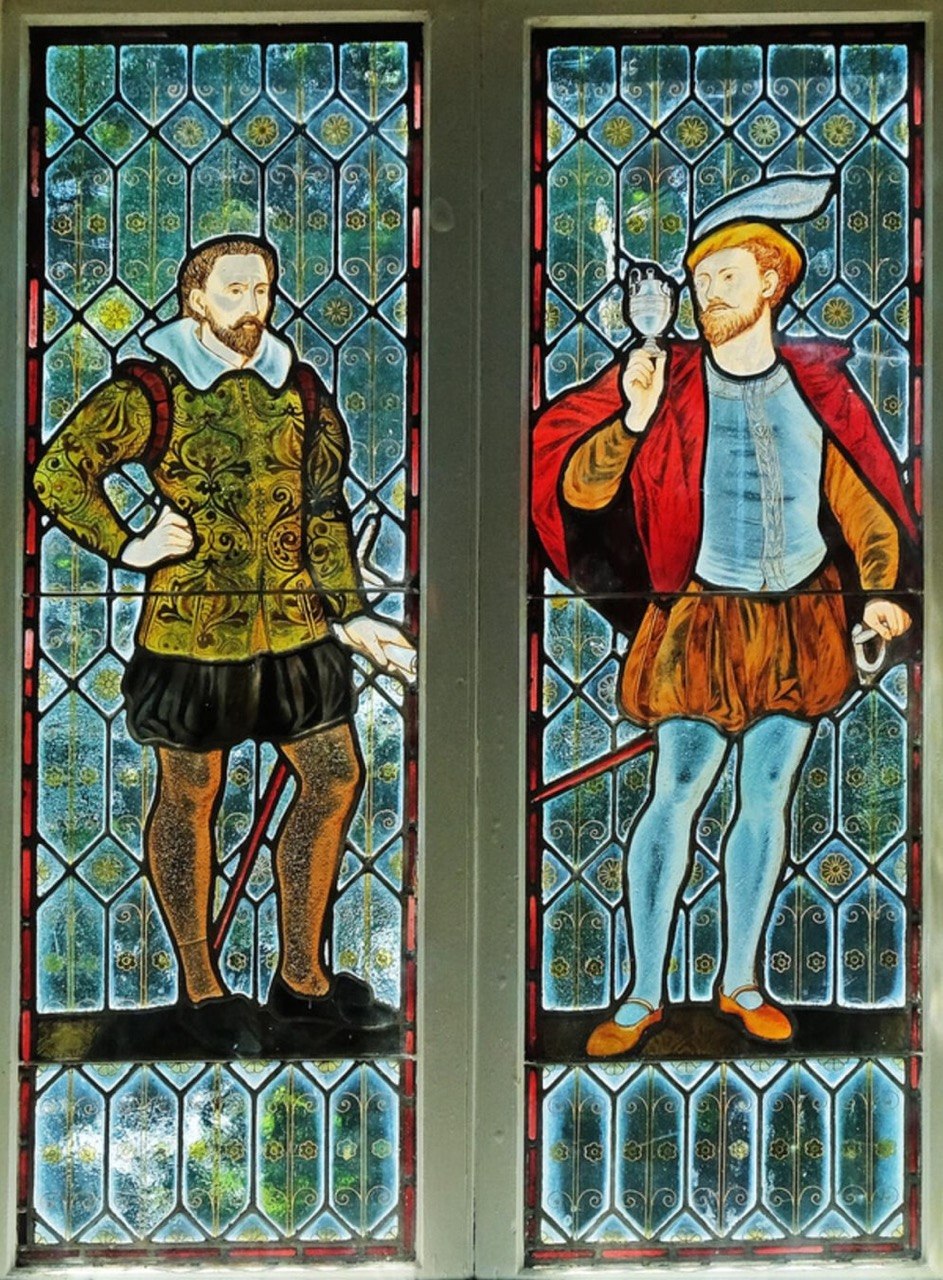
Features Edward Burne-Jones, William Morris and Daniel Cottier designed stained glass windows.

The Residence
About the home
This unique 3 bedroom, 2 bath stone home nestled on a rock ledge is truly a one-of-a-kind treasure. Designed after “Lawers House” in Scotland, this home was built by James Beveridge Lee, a reverend and theologian from New London County, CT. Reverend Lee was an author and preacher who traveled all over the world and collected many items such as stone, crystals, French lighting and beautiful stained glass, which he then incorporated into the home’s windows.
The Story
About James Beveridge Lee
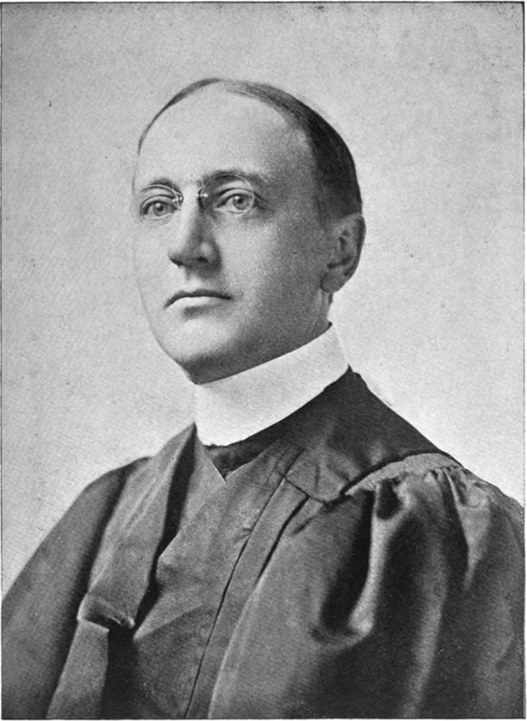
James Beveridge Lee (1865–1944) was a Presbyterian minister and theologian whose education and family connections linked him to Scotland. He earned a B.A. from Hamilton College in 1886, studied theology at the United Presbyterian Seminary in Xenia, Ohio, and continued his studies in Edinburgh. Hamilton later awarded him a Doctor of Divinity in 1903. Lee served churches in Philadelphia, Bloomfield, New Jersey, and Milwaukee. He traveled through Europe with his family in 1905 and returned in 1919, visiting England and France. He later commissioned the stone residence known as “The Stone Castle.” Surviving research has not established when or how he acquired the stained-glass windows that became such a distinctive part of the home.